
Designing for Autism: Aging-in-Comfort Why Every Organization Should Care
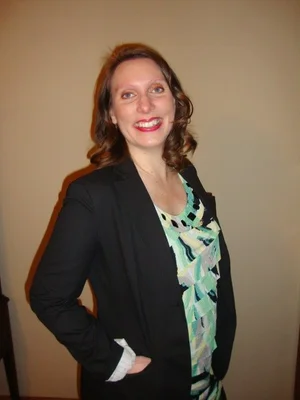
As a Certified Kitchen & Bath Designer, Accessibility Specialist, and Certified Interior Designer in MN with 27 years of experience — and as a mother of autistic children and caregiver to aging parents — I have learned that thoughtful design goes far beyond aesthetics.
“It’s health. It’s dignity. It’s independence. And increasingly, it’s a workplace and community priority.”
Today, organizations across healthcare, senior living, education, housing, and corporate sectors are reevaluating how spaces influence the people they serve. Sensory needs, mobility changes, and emotional well-being cannot be afterthoughts — they must be incorporated into design from the beginning. That’s where my work comes in.
Why This Matters to Companies & Organizations
Whether you’re leading a design team, managing a facility, or supporting a diverse workforce, understanding Autism‑informed and Aging‑in‑Place principles is no longer optional.
Organizations benefit when spaces support:
Neurodiverse employees, clients, and students
Aging populations staying in the workforce longer
Patients, tenants, and residents with sensory or mobility needs
Staff who perform better in environments designed for clarity and comfort
Families seeking accessible, inclusive environments
When we use empathy and evidence-based strategies in our designs, we lower stress, prevent accidents, improve emotional regulation, and build trust with the communities we serve.

My Speaking Focus: Practical, Real‑World Solutions
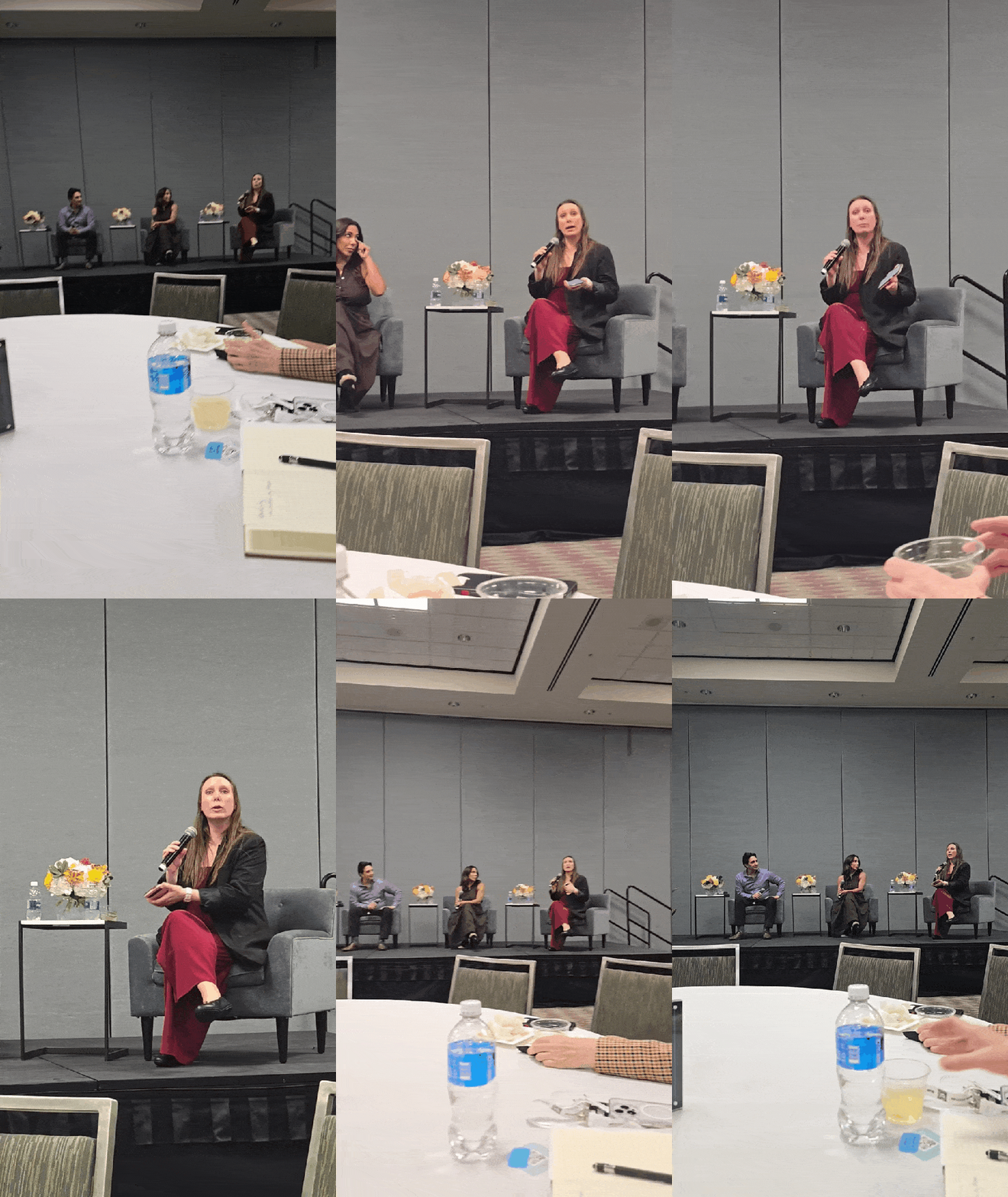
I speak at conferences, corporate trainings, industry events, and professional associations on topics such as:
✔ Autism‑Informed Design Essentials
How lighting, color temperature, acoustics, textures, and layout affect sensory processing — and what simple modifications can dramatically improve comfort.
✔ Aging‑in‑Place Strategies Every Designer Should Use
From non-slip flooring to induction cooktops to safe bathroom layouts, we explore the features that allow people to stay independent longer.
✔ Designing Homes That Heal
How to create spaces that reduce anxiety, support sleep, and promote stability for autistic children, aging parents, and multi-generational families.
✔ Small Changes, Big Impact
What organizations can implement immediately without renovation: lighting adjustments, better storage, acoustic solutions, color selection, and behavioral cues in the built environment.
My approach blends professional expertise, personal lived experience, and practical design guidance that teams can apply right away.
Why I Speak on This Work
I've lived this on both sides — as a designer serving clients, and as a mother and daughter designing spaces for my own family.
I've designed spaces for sensory needs, mobility challenges, trauma-informed environments, emotional regulation, and multi-generational care. I've advocated for ADA-compliant essentials such as comfort-height toilets, grab bars or balance bars, ramps, zero-threshold flooring, and more. I've created calming atmospheres for children with “Spidey senses.” I've helped older adults maintain independence and safety in spaces that support their changing needs.
And I deeply believe that designers, leaders, educators, and care providers can transform lives when they understand how design shapes the human experience.
Let's Work Together
If your organization is exploring:
Neuroinclusive environments
Aging‑in‑place design
Universal design solutions
Wellness-driven spaces
Staff education on accessibility or sensory needs
Or leadership development through empathy-informed design
… I'd love to support your team.
CW Design – Gratitude & Blessings