

Interior Designer vs. Decorator: Why the Right Choice Matters
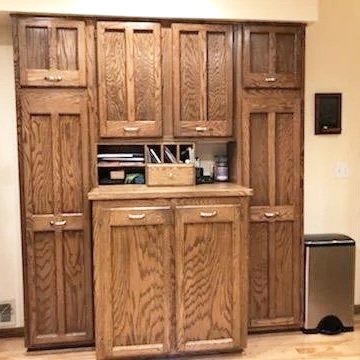

Before Photo is the Oak Cabinets in Medium Stain; After Photo is the Painted Cabinetry going to the ceiling
One of the most common questions I hear from prospective clients is:
"What's the difference between an interior designer and an interior decorator?"
Many people use the terms interchangeably, and while both professions help create beautiful spaces, they serve different roles. Understanding the distinction can help you hire the right professional for your project and set realistic expectations from the start.
What Does an Interior Designer Do?
Interior design is much more than selecting paint colors and furniture. It's the practice of creating spaces that are functional, safe, comfortable, and beautiful for the people who use them.
An interior designer begins by understanding how you live, work, relax, and move through your space. We ask questions about your routines, goals, challenges, and plans for the future because good design starts with understanding people.
Take a bathroom, for example. It may be a place to get ready in the morning, but for some homeowners it becomes a personal retreat. Others may need accessibility features that support aging in place. Some families need better organization, while others want a luxury spa experience. Every design decision should reflect how the space needs to function for the people who use it.
Interior designers often:
Develop space plans and layouts
Create detailed drawings and specifications
Coordinate with contractors and trades
Select fixtures, finishes, and materials
Solve functional challenges within the home
Improve flow, storage, and usability
Guide projects from concept through installation
The goal is to create a space that not only looks beautiful, but also supports your lifestyle.
What Does an Interior Decorator Do?
Interior decorators focus primarily on a space's aesthetic elements after the structure and layout are established.
Their expertise often includes:
Furniture selection
Color palettes
Artwork and accessories
Window treatments
Textiles and soft furnishings
Styling and finishing details
Decorators help bring personality, character, and visual cohesion to a room. They can be an excellent resource when a space functions well but needs help achieving a polished and intentional look.

Where Designers and Decorators Overlap
Both designers and decorators share many valuable skills, including:
Creativity
Communication
Problem-solving
Organization
Material and finish knowledge
Understanding of scale and proportion
Familiarity with design styles and trends
Both professionals help clients make decisions and create spaces that reflect their personal tastes and goals.
The primary difference is that interior designers are often involved in the planning and functionality of a space, while decorators focus on the finished appearance.
How Do You Know Which Professional You Need?
Consider hiring an interior designer if:
You are remodeling or renovating.
Your project involves construction.
You need help with space planning.
You are building a new home.
You want coordination with contractors and trades.
You need solutions for accessibility, aging in place, or changing family needs.
Consider hiring an interior decorator if:
Your layout already works well.
You want help selecting furnishings and accessories.
You are looking to refresh a room's appearance.
You need assistance creating a cohesive style.
Your project does not require structural or functional changes.
Questions to Ask Before Hiring
Whether you're hiring an interior designer or an interior decorator, choosing the right fit goes beyond a beautiful portfolio.
Consider asking:
What types of projects do you specialize in?
Can you show examples of projects similar to mine?
What services are included?
How do you charge for your services?
What does your design process look like?
How do you communicate with clients?
Who will be my primary point of contact?
How do you approach budgets and investment levels?
Do you work closely with contractors and trades?
What challenges or opportunities do you see in my project?
The answers will help you better understand whether a professional's expertise and approach align with your goals.
A Few Red Flags to Watch For
As you interview potential designers or decorators, pay attention to how they make you feel during the conversation.
Some common red flags include:
They spend more time talking than listening.
They cannot clearly explain their process or fees.
They promise unrealistic timelines or outcomes.
They push their personal style instead of learning yours.
They avoid discussing budget expectations.
You leave the conversation feeling unheard or pressured.
The best design professionals help you feel informed, comfortable, and confident throughout the process. Successful projects are built on trust, communication, and a shared vision.
The Bottom Line
A decorator helps shape the look of a space.
An interior designer helps shape both the look and the function of a space.
Neither role is better than the other. The right choice depends on your project's goals, complexity, and required level of expertise.
Whether you're refreshing a room, planning a renovation, or building a new home, asking the right questions and hiring the right professional can make all the difference.
At CW Design™, we believe great design goes beyond aesthetics. Your home should be beautiful, functional, and thoughtfully designed around the way you live every day.
“Design is not just what it looks like and feels like. Design is how it works.”
Because good design isn't just about how a space looks. It's about how it works for you.
CW Design ™ – Gratitude & Blessings